Clogged Drain Repair
One slow sink, tub or toilet? A provider finds where the clog sits and clears it without harsh chemicals.
View service (970) 693-9705
Some sewer lines are past saving. When a camera shows cracks, roots and sags along most of the run, or the pipe is Orangeburg that has reached the end of its life, replacing it once can end years of backups. Call (970) 693-9705 to be connected with an independent local contractor.
Loveland Drain Clean is a free referral service, not a plumbing company. Calls are answered by independent local providers who set their own prices.
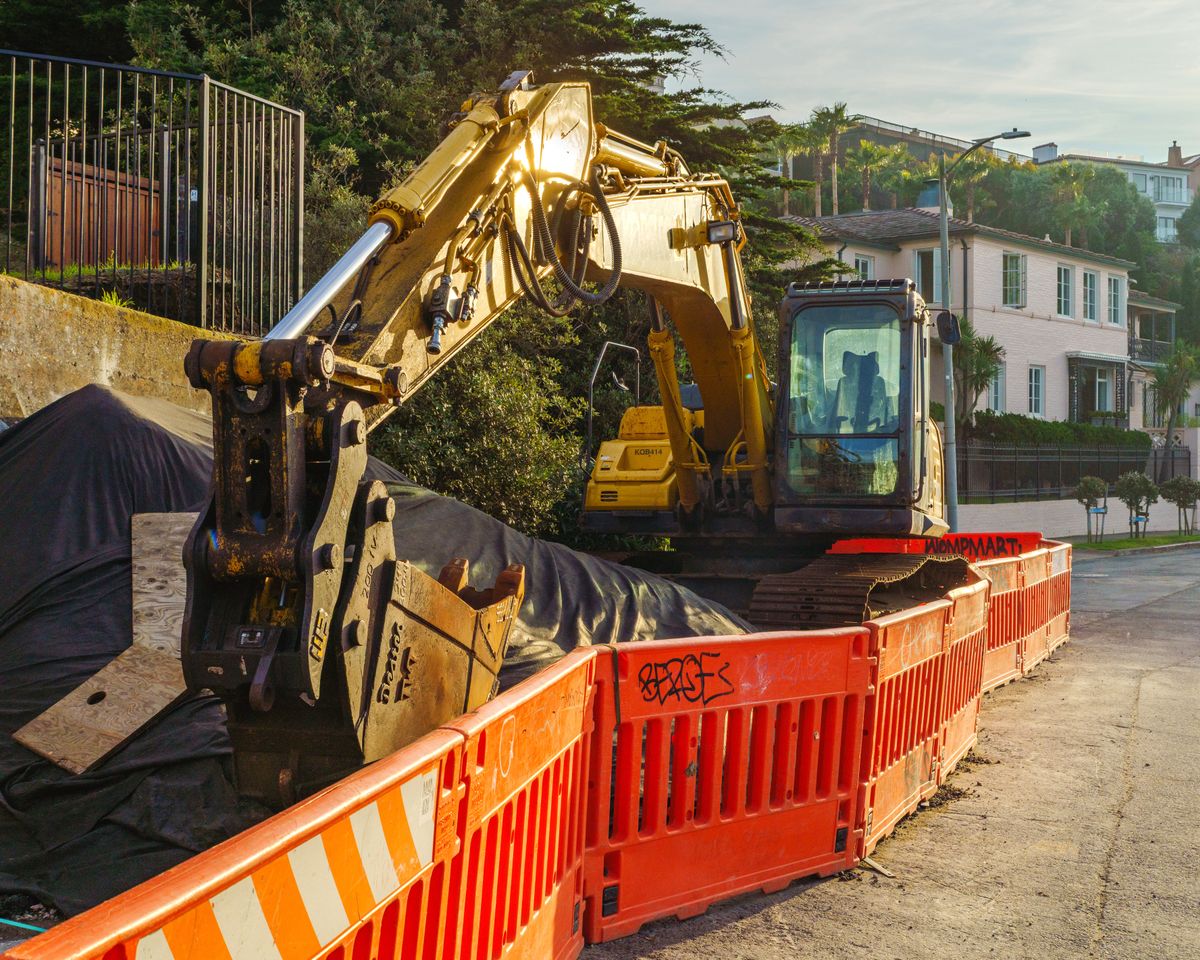
Sewer line replacement swaps the old pipe between your house and the city main for new pipe, either by digging a trench or with a trenchless method such as pipe bursting. In Loveland the homeowner is generally responsible for the home's line, and work in the street needs a city Major ROW permit. Call (970) 693-9705 24/7 to reach an independent local contractor.
Sewer line replacement means installing a new pipe for the full length, or most of the length, of your home's building sewer, from where it leaves the foundation to where it connects to the city's main. Replacement is the answer when the old pipe has too many defects to patch, when the material itself is failing, or when spot repairs keep chasing new problems a few feet away.
There are two main ways to do it. Open-trench replacement digs along the line, removes the old pipe and lays new pipe on a properly graded bed. Trenchless replacement, usually pipe bursting, pulls a new pipe through the path of the old one from a pit at each end, breaking the old pipe outward as it goes. Our page on trenchless sewer repair Loveland goes deeper into trenchless methods and when they fit.
Either way, the new line is usually modern plastic pipe with sealed joints, which resists root intrusion far better than old clay with mortar or gasketed joints. A new line also gives you the chance to add a proper cleanout near the house if there is not one, which makes future service simpler.
Replacement is a bigger decision than sewer line repair Loveland, so it should be backed by evidence. Ask for a sewer camera inspection Loveland and for the footage, so you see the condition of the pipe for yourself. We are a referral service: calling (970) 693-9705 connects you with an independent local contractor who sets their own price and handles the work.
The line is camera-inspected and traced from above, so the contractor knows the material, the defects, the depth and the route.
Trench or trenchless, based on depth, what is above the line, soil, and the condition of the old pipe.
Building and right-of-way permits are pulled as needed, and buried utilities are marked before any digging.
The old line is removed or burst, and new pipe is installed with proper slope and sealed connections at both ends.
The new line is inspected as required, tested with water, filmed, and the trench or pits are backfilled and the surface restored.
A camera or old records show fiber pipe or clay from the early 1900s.
The camera finds cracks, offsets and roots at many joints, not just one.
Spot repairs have been made more than once and new problems keep appearing.
Part of the line has flattened or caved in and the camera cannot pass.
Soil is sinking along the line path between the house and the street.
Roots fill the line again soon after every cleaning.
Water coming up in the floor drain? Call (970) 693-9705 for a local provider.Open 24/7 · Talk to a local provider in Loveland
Call 24/7 (970) 693-9705Age is the plainest reason. Loveland was founded in 1877 and incorporated in 1881, and the downtown historic district's period of significance starts in 1878. A 1999 city survey looked at more than 2,300 historic properties. In houses that old, the original sewer line may be clay laid in short sections with mortar joints, and every joint is a place where roots and soil can get in.
Mid-century homes have their own weak spot. Orangeburg pipe was installed until the 1970s and lasts about 50 years at best. Homes built in the 1950s, 1960s and early 1970s, a period when Loveland grew around the Hewlett-Packard plant that opened in southwest Loveland in the 1960s, are worth checking for it. Clay pipe from the 1940s to 1960s also tends to crack where soils shift, as nearby Boulder's sewer program notes.
Ground movement wears pipe down too. Expansive clay soils swell and shrink with moisture, and the Colorado Geological Survey names disrupted sewer lines among the results. Over decades, that movement can pull joints apart, crack pipe and create bellies that hold water. Frost is less of a factor for sewer lines laid below the 30-inch design frost depth, but shallow sections near the house or under driveways can see more stress.
Roots take advantage of all of this. Loveland's urban forest is about 25,000 public trees, with ash making up about 20 percent. Even where ash trees have been removed for emerald ash borer, other mature trees on older streets keep sending roots toward leaking joints. Once roots have broken pipe in several places, replacement often makes more sense than cutting them out year after year.
Ask for two quotes based on the same camera footage, and ask each contractor to show you the specific defects that justify replacement rather than repair. If they cannot point to them on the video, ask more questions before you sign.
Open trench is often straightforward on a lot with open lawn, a shallow line and few obstacles. It lets the contractor correct slope problems, such as a long belly, because the pipe is laid fresh on a new graded bed. It also makes the most mess, so restoration of lawn, sprinklers and landscaping should be part of the plan.
Trenchless replacement suits lots where the line runs under a driveway, a mature tree, a patio or a finished walkway. It usually needs a pit near the house and one near the connection, so less of the yard is disturbed. It is not right for every line. A pipe with a severe belly or a collapsed section may need some excavation anyway, and very old clay can behave differently than plastic when burst.
In the historic core, lots are often narrow and lines can be shallow near the house and deeper near the street or alley. If you own an older home there, our Downtown Loveland drain cleaning page and the article on old sewer pipes in historic homes explain what you are likely to find. If you are trying to sort out who covers what, read who pays for a clogged sewer line in Loveland.
More than one drain slow at once? That points to the main line. Talk it through on the phone.Open 24/7 · Talk to a local provider in Loveland
Call 24/7 (970) 693-9705
The contractor walks the line route, notes obstacles, and confirms depth and the connection point.
Method, length of pipe, permits, restoration and their price, in writing before work begins.
The work area is fenced or barricaded, especially near the sidewalk, and water use is paused during the swap.
The new line is inspected where required and tested before it is covered.
Final video of the new line, cleanup, and a record of the work for your files.
Sewage in the basement at night? Stop using water and call now.Open 24/7 · Talk to a local provider in Loveland
Call 24/7 (970) 693-9705| Open trench | Trenchless (pipe bursting) | |
|---|---|---|
| Yard disturbance | Trench along the whole route | Usually two pits, one at each end |
| Fixing slope problems | Can regrade the whole line | Follows the old path, so a severe sag may remain |
| Obstacles above the line | Driveways and trees add removal and restoration | Can often pass under them |
| Old pipe | Removed | Broken outward and left in the ground |
| Best fit | Open yards, shallow lines, bad slope | Lines under hardscape or trees with acceptable slope |
| Factor | Why it matters | What to ask on the call |
|---|---|---|
| Length and depth | A longer, deeper line means more pipe and more digging or bursting effort | How many feet are you replacing, and at what depth? |
| Method | Trench and trenchless need different equipment, labor and restoration | Why is this method the right one for my line? |
| Right-of-way work | Sidewalk and street work needs a Major ROW permit, inspections and traffic control | Does your scope include the connection under the sidewalk or street? |
| Surface restoration | Concrete, landscaping and sprinklers have to be put back | What restoration is included, and what is my job? |
| Connection at the house | Tying new pipe into an old cast iron stack may need extra fittings or a new cleanout | Will you add a cleanout, and is that included? |
Replacement is usually planned, but sometimes the line decides for you. If the pipe has collapsed and nothing drains, if sewage is surfacing in the yard, or if a sinkhole is opening over the line, it is time to act. Stop using water, keep people away from any sewage or open ground, and call (970) 693-9705. Calls are answered 24/7.
An after-hours provider may be able to set up a temporary bypass or clear enough of the line to restore partial flow while the replacement is planned and permitted. Ask what interim options exist, since permits and utility locates take time even in an urgent situation.
If the problem looks like it is in the street or the city main, for example sewage coming up from a manhole, call Loveland Water and Power at 970-962-3000.
Water coming up in the floor drain? Call (970) 693-9705 for a local provider.Open 24/7 · Talk to a local provider in Loveland
Call 24/7 (970) 693-9705Never enter a trench deeper than about four feet that has not been shored or sloped. Clay soils can look stable and then slump without warning. Leave the excavation to the contractor and keep children and pets away from open digs.
A new plastic sewer line with sealed joints should resist roots and handle normal use for decades, but it is not invincible. Grease still hardens in cold pipe, and wipes still snag. Keep using strainers, dispose of grease in the trash or a city Fat Trapper kit, and flush only toilet paper.
Keep the final camera video and permit records with your house papers. Buyers often order a sewer scope, and a documented replacement answers that question quickly.
Watch the trench line for settling in the first year, especially after the first wet spring. Clay soils compact over time, and a low spot in the lawn is easier to fix early. Tell the contractor if you notice settling, as many address it as part of their work.
Finally, if you have trees near the new line, keep them watered in dry spells. Healthy trees with enough water near the surface are less likely to hunt deep for moisture around your sewer.
For every drain and sewer service in one place, see our drain cleaning Loveland overview.
It might be. Most houses in the West 5th Street Historic District were built between 1900 and 1910, and lines from that era were often clay. Many have been replaced over the years, but some have not. A camera inspection is the only way to know what you have and what shape it is in.
Orangeburg is a pipe made from wood fiber and coal tar that was used until the 1970s. Its useful life is about 50 years at best, so any that is still in the ground is living on borrowed time. It tends to blister, deform and collapse, and spot repairs on it rarely hold, which is why replacement is usually recommended.
The city says clogs in the home's sewer lines are the homeowner's responsibility, and its joint sewer agreement puts the service line serving one property on that owner. Exactly where the city's part begins for your address is not published in detail, so call Loveland Water and Power at 970-962-3000 before you sign a contract that includes work under the sidewalk or street.
Usually. Loveland requires a building permit for alterations, and any excavation in the city right-of-way needs a Major ROW permit. That permit is valid for 90 days and inspections must be requested 48 hours ahead, which can affect scheduling. Ask the contractor who pulls each permit.
It depends on the house, the slope and where the city main is. Sewer lines in Loveland sit below the 30-inch frost depth the city uses for design, and many run deeper near the street. The camera locator shows depth along the line so the contractor can plan the dig or the trenchless pits.
Often, yes, though frozen ground and short days can slow excavation. Loveland's average January low is about 12.9 degrees. If your line is failing in winter, ask the provider about clearing it to keep it working until conditions are better, and about how they handle frozen soil if the job cannot wait.
One slow sink, tub or toilet? A provider finds where the clog sits and clears it without harsh chemicals.

Roots, a cracked joint or a sag in the line out to the street, fixed at the damaged spot.

High-pressure water scours grease, sludge and fine roots off the pipe wall, not just a hole through the clog.
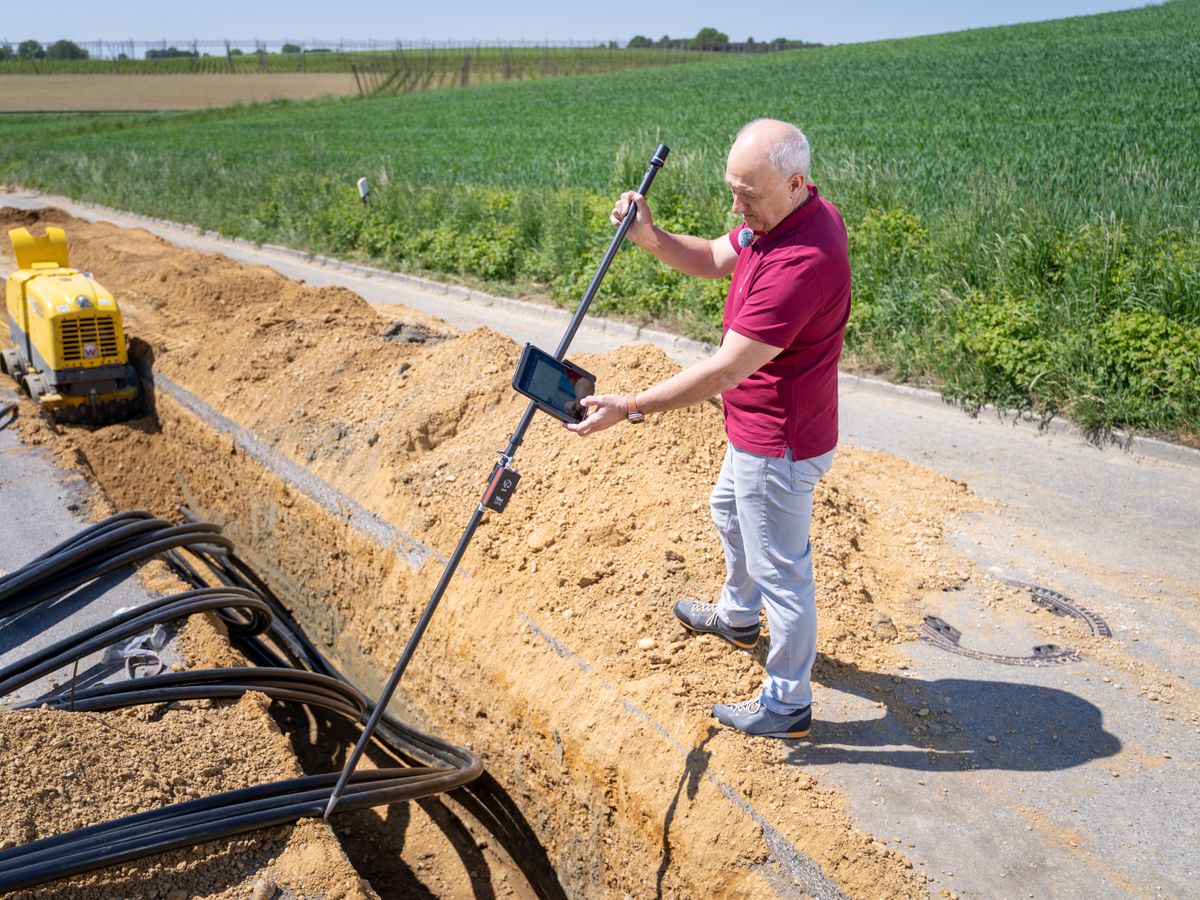
A camera on a cable shows what is inside the line, so you see the problem before anyone digs.
Lining or bursting a damaged line through small access pits can save lawns, trees and driveways.

Sewage at the floor drain or every fixture backing up? Calls are answered day and night.
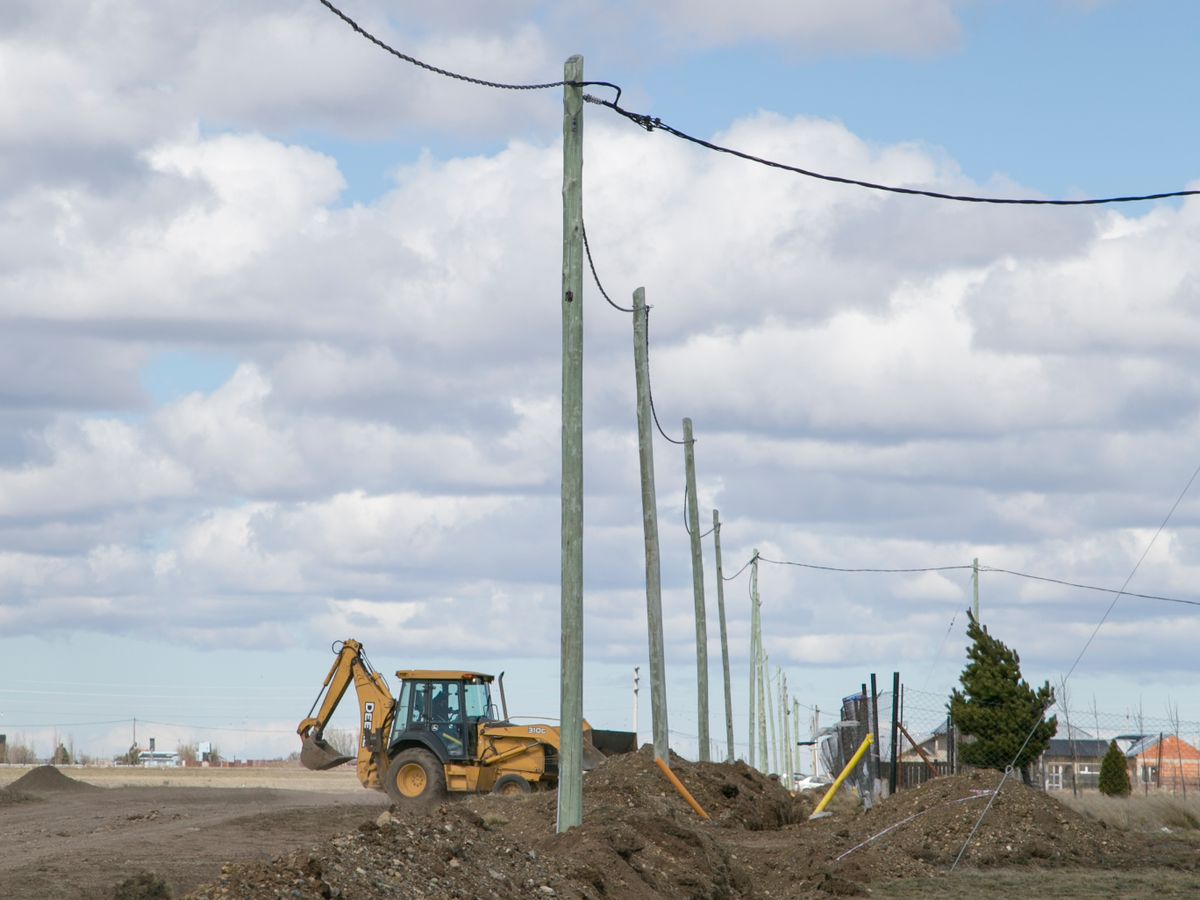
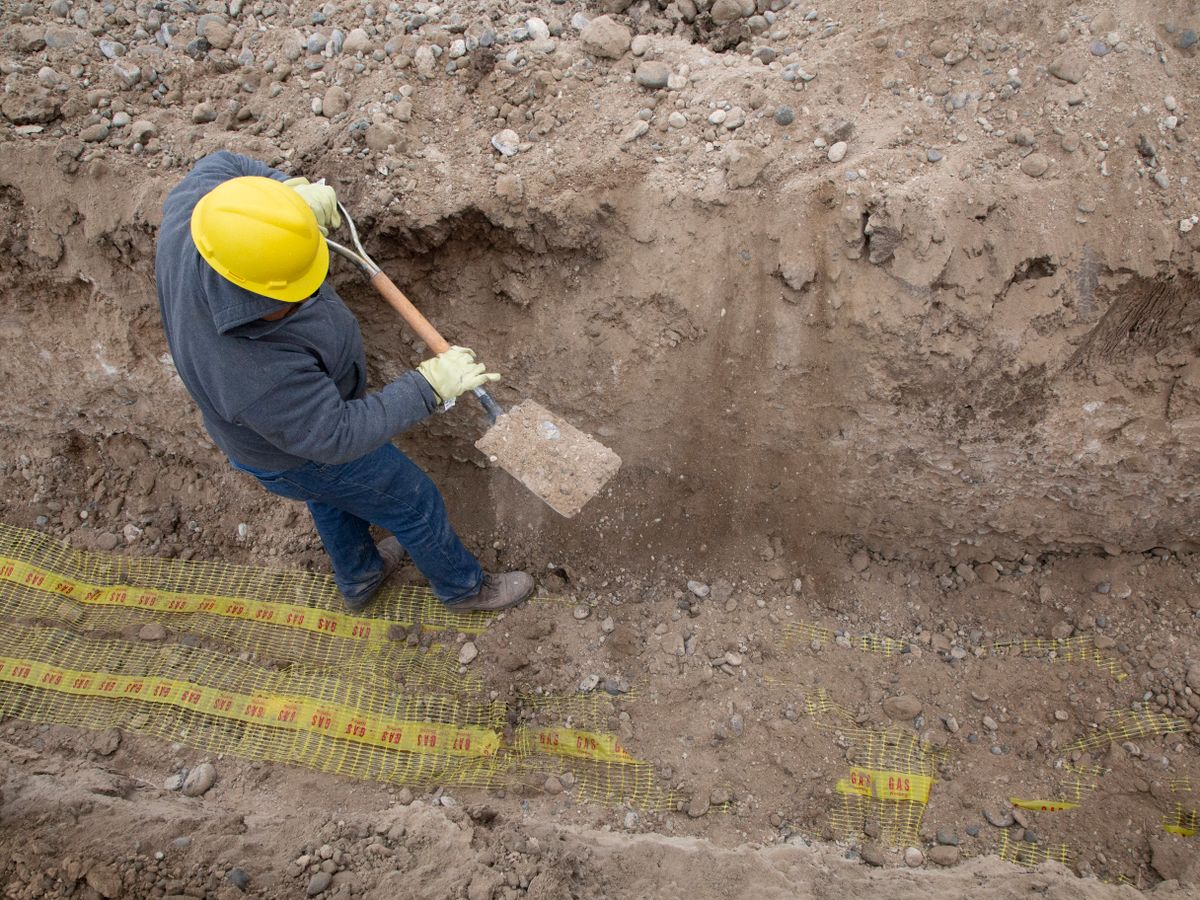
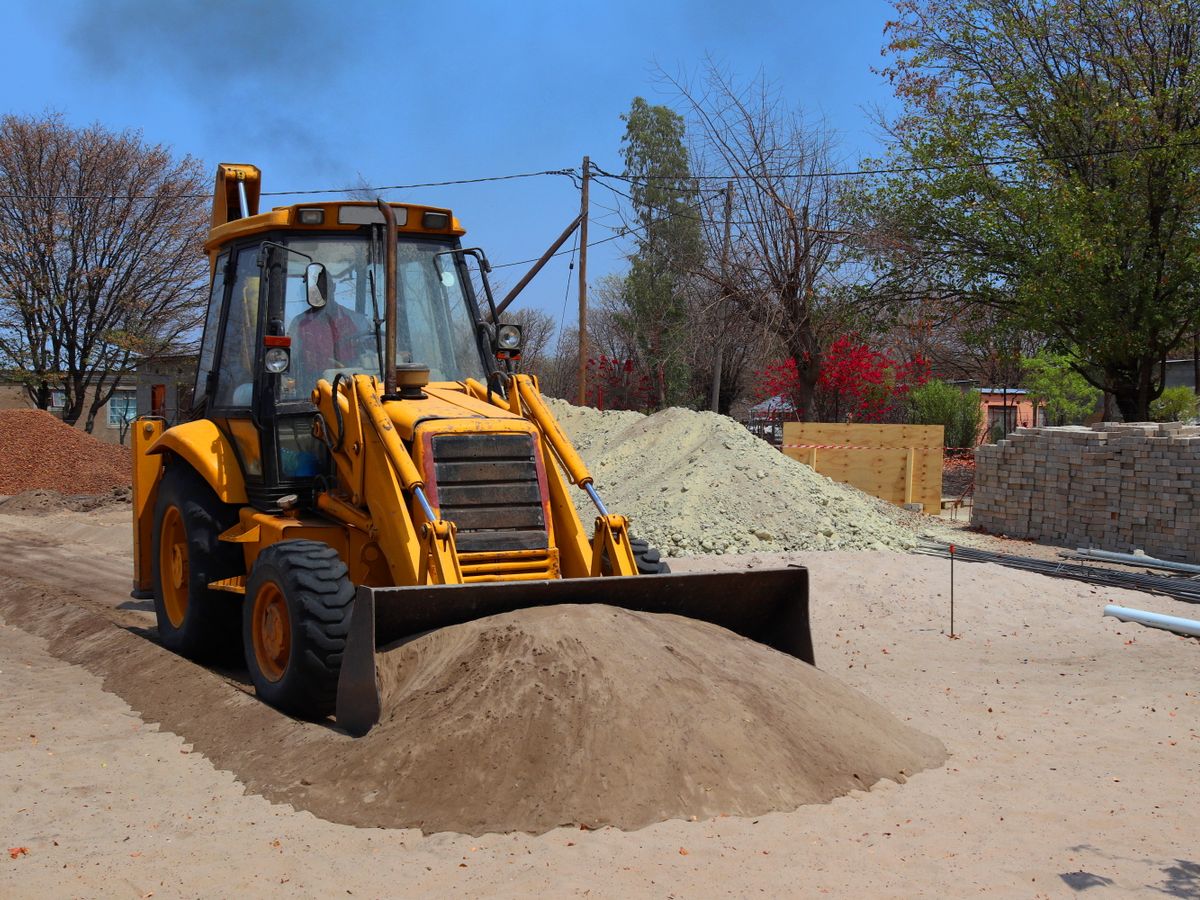

Representative photos of the kind of work local providers handle.
Talk to a local provider
One call connects you with an independent drain and sewer contractor who works in Loveland. They explain the likely cause and how the price is set before any work starts.
(970) 693-9705